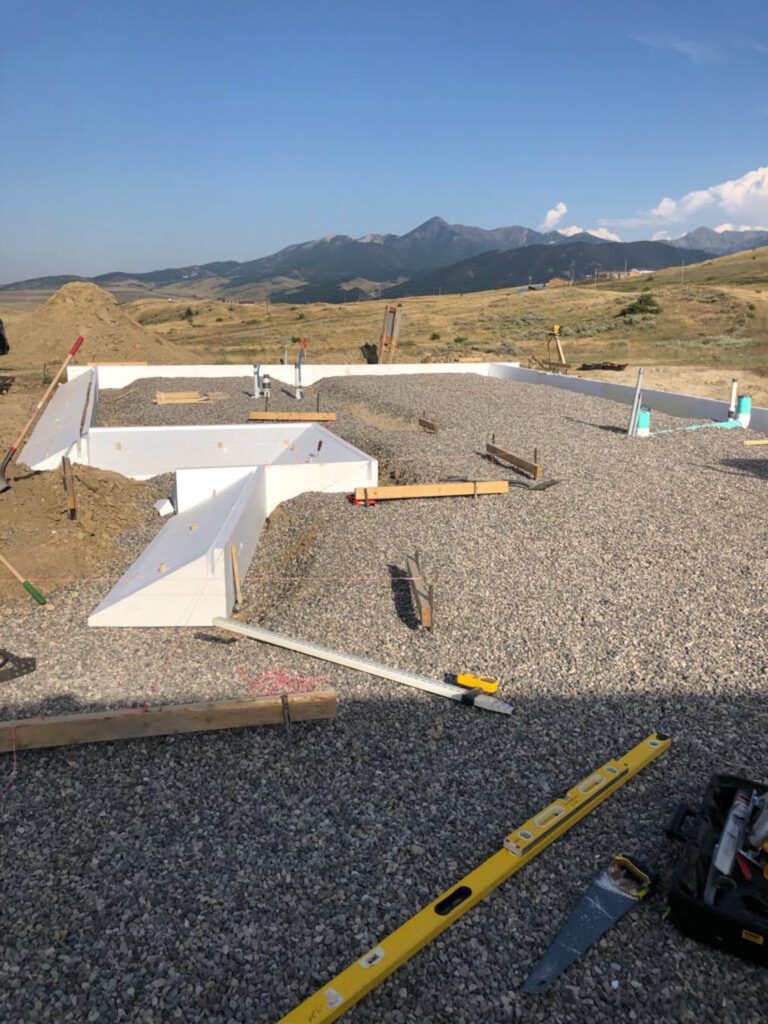
A Real-World 4,800 Sq Ft Case Study
When homeowners think about lowering energy bills, they usually focus on HVAC systems, windows, or appliances.
But long-term efficiency doesn’t start with mechanical systems — it starts with the foundation.
This 4,800 sq ft single-level barndominium, built on a Mono Slab® foundation, demonstrates how smart slab design can dramatically reduce annual utility costs — even in a climate with wide temperature swings.
Project Overview
Home Specifications
-
4,800 sq ft slab-on-grade construction
-
Single level
-
8’, 9’, and 16’ ceilings
-
In-floor radiant heat throughout living quarters and shop
-
Furnace used primarily as backup
-
A/C, boiler pumps, and standard household electrical use
Climate Conditions
-
Average annual temperature: 44°F
-
Average high: 72°F
-
Average low: 8°F
This region experiences cold winters and warm summers — a true stress test for any foundation system.
The Energy Results
Electric Rate
-
$50/month base charge
-
$0.128 per kWh
(National average at the time: approximately $0.17 per kWh)
2025 Total Electric Cost: $1,670.32
For nearly 5,000 square feet of conditioned space — including radiant floor heating and shop space — this is exceptionally efficient performance.
Monthly costs ranged from $112 to $173, even during peak heating and cooling seasons.
Why the Foundation Matters
Traditional slab foundations often allow significant heat loss through the perimeter and into the ground. That heat loss forces HVAC systems to work harder, cycle more often, and consume more energy.
Mono Slab® foundations are engineered differently.
1. Continuous Insulated Thermal Barrier
Mono Slab® systems incorporate insulation beneath and around the slab to reduce thermal bridging — one of the biggest hidden energy drains in slab-on-grade construction.
By limiting ground heat loss, the radiant system retains warmth longer and operates more efficiently.
2. Leveraging Thermal Mass
Concrete naturally absorbs and stores heat. When properly insulated, that thermal mass becomes an energy asset instead of a liability.
-
In winter: The slab stores radiant heat and releases it gradually, maintaining steady indoor temperatures with less cycling.
-
In summer: The insulated slab helps moderate interior temperature swings, reducing A/C demand.
3. Reduced HVAC Dependency
Although this home includes a furnace, it’s primarily used as backup. The embedded radiant system handles most of the heating load.
That means:
-
Fewer forced-air cycles
-
Lower peak energy spikes
-
More consistent comfort
-
Reduced mechanical strain over time
When the foundation performs efficiently, the mechanical systems don’t have to overcompensate.
Performance in Extreme Conditions
With average winter lows reaching 8°F, poorly insulated foundations can become a major source of ener
gy loss.
Mono Slab® minimizes that loss, helping maintain stable interior temperatures even during cold snaps. Instead of fighting the ground, the structure works with it.
The Bigger Picture: Structural Efficiency
This case study reinforces an important principle:
Energy efficiency isn’t just about upgrading equipment — it’s about

designing smarter from the ground up.
Mono Slab® foundations:
-
Reduce thermal bridging
-
Improve radiant heating efficiency
-
Stabilize interior temperatures
-
Lower HVAC demand
-
Deliver long-term operational savings
When efficiency is built into the structure itself, lower utility costs become a byproduct — not a guess.
Final Takeaway
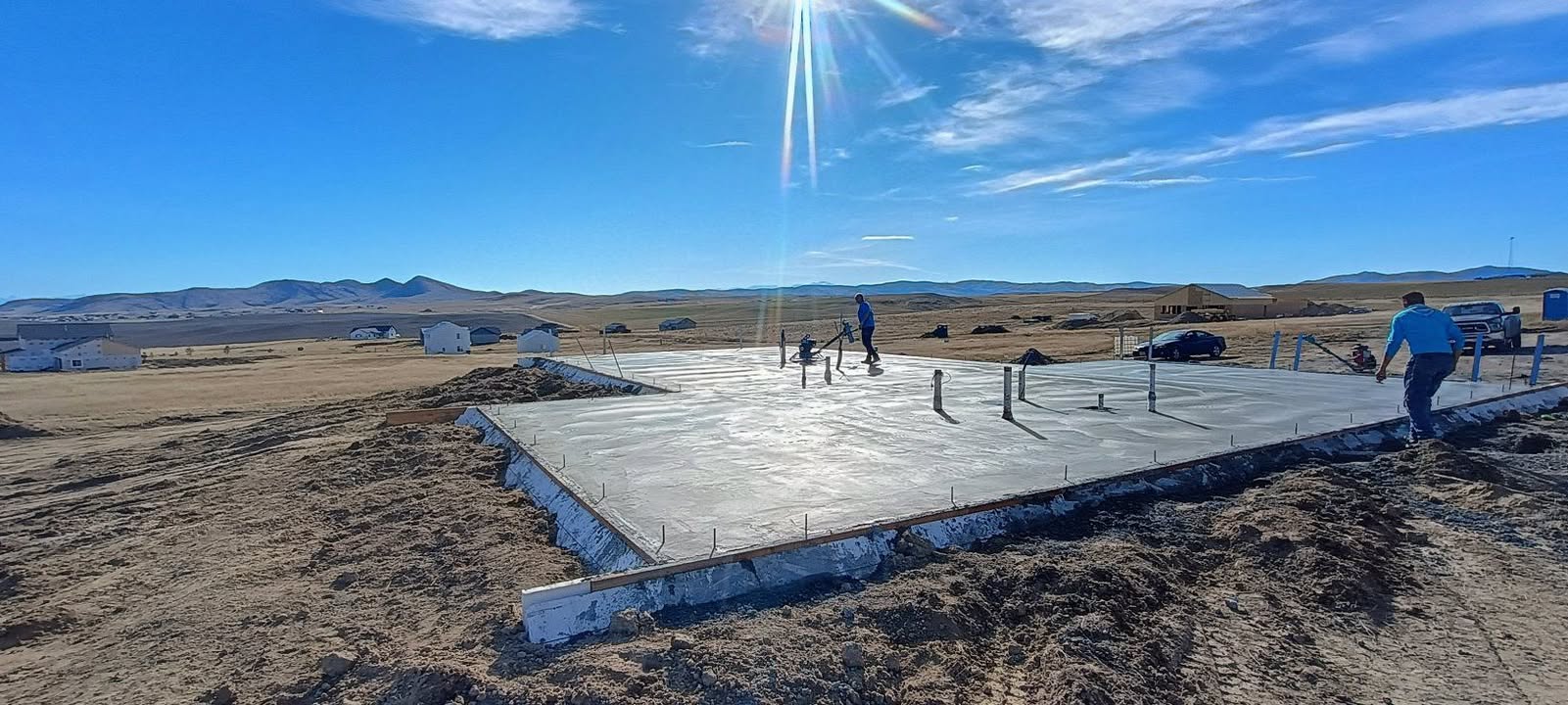
A nearly 5,000 sq ft home in a cold-weather climate operating at $1,670 annually in electricity dem
onstrates what’s possible when foundation performance is prioritized.
If you want to lower long-term energy costs, start where the building meets the ground.
Because true efficiency is structural — not just mechanical.